A harbor room can look wonderfully calm in a daytime photograph. Water fills the window, the bed is neatly dressed and every lamp seems decorative. After dark, different details matter: curtains, sound, reachable switches and a clear route to the bathroom. A useful room choice considers those ordinary needs alongside the view.
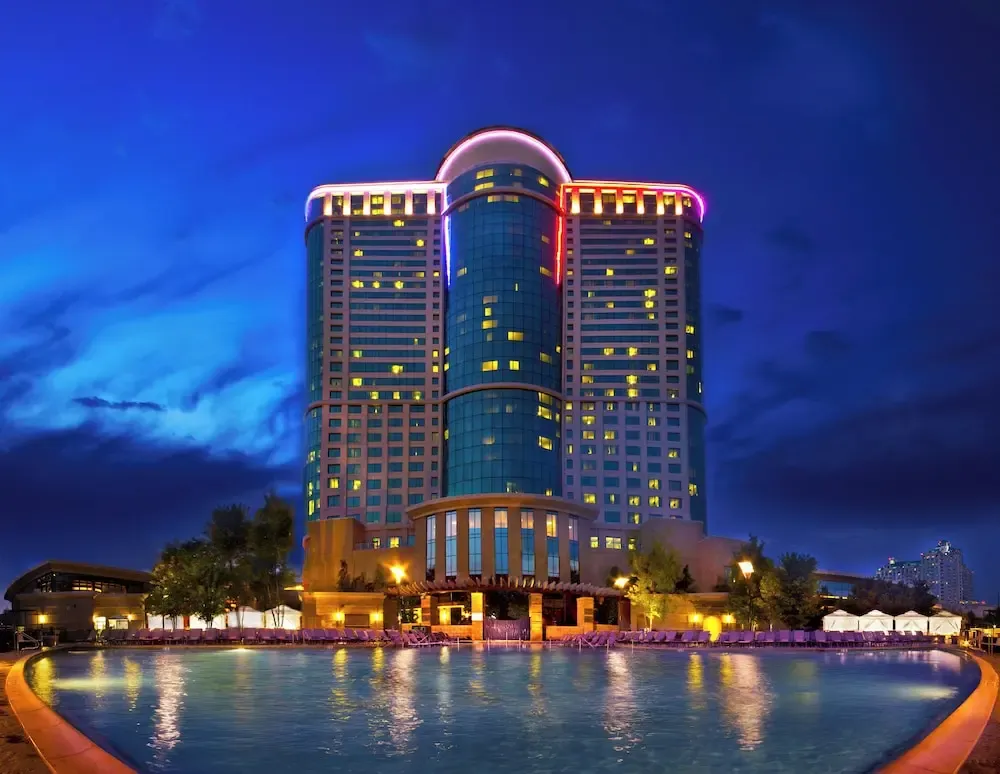
Read what the photograph leaves out
Star Yard’s introduction mentions waterfront suites. Before choosing one, ask what that description means for the category being booked. A direct view, an angled outlook and a glimpse from one corner offer different experiences. Confirm whether the photograph shows the actual category, rather than assuming every room shares its window arrangement.
Daylight can hide the questions that become obvious at bedtime. Do curtains close across the whole window, and can a guest use a reading light without lighting the entire room? If privacy matters, ask what faces the glass. A higher floor or a dramatic outlook is not a substitute for an answer about the room’s actual surroundings.
Put your priorities in order
- Name the sleep or access need that matters most.
- Ask how the available category meets that need.
- Separate a confirmed feature from a request that remains subject to availability.
Place the room within the building
A room does not exist apart from its corridor. Lifts, service doors, public lounges and evening entertainment may matter more to a light sleeper than the colour of the upholstery. Ask about relative position without requesting a promise of complete silence. The useful reply describes the setting and any realistic alternatives.
The original hotel information includes live music and a midnight lounge. It does not establish which rooms are nearby or when sound may travel. Ask the property about the category you are considering and the dates of your stay. A 2026 enquiry should seek current arrangements rather than rely on an old review’s account of one particular night.
| Preference | Useful detail |
|---|---|
| Earlier bedtime | Position relative to evening public spaces and service routes. |
| Reading together | Separate lights and a comfortable place to sit. |
| Easy movement | Clear floor space and the route between bed and bathroom. |
Imagine an ordinary evening inside
Picture coming back with a coat, a bag and a tired companion. Is there somewhere to put things without blocking the walking route? Can one person wash while the other rests? Room size alone does not explain the arrangement. A floor plan or a specific written answer can reveal more than another photograph taken from the doorway.
Ask about ventilation and temperature controls if those affect your comfort. An opening window, individual control and a fixed setting are different arrangements; none should be inferred from the view. Explain the need rather than assuming a suite label guarantees a particular feature. Keep the reply with the booking so it is easy to refer to later.
- Check where luggage can stand without obstructing movement.
- Ask whether bedside lighting can be controlled separately.
- Clarify any essential bathroom or step-free access requirement.
On arrival, check essential features before unpacking everything. If something differs from the confirmation, describe the difference to reception promptly and calmly. A practical question is easier to resolve while alternatives can still be discussed. Distinguish a missing confirmed feature from a preference that was never agreed.
The arrival guide helps with the handover before that room check. If an evening includes a screen break, the iGaming receipt article offers a separate way to examine what a display actually says.
Author’s opinion
I would choose a harbor room by the evening I expect to spend in it, then enjoy the view as part of that choice. A reachable lamp and an understood room position are modest details, yet they support the whole stay. Beautiful photographs are welcome; specific answers make them useful.
Author: Serephina Wren Quenfell. Publisher: Star Yard Window Observations.